

Money management is a skill that takes time to master, but avoiding common financial pitfalls can save you from unnecessary stress and setbacks. Unfortunately, many people make the same money mistakes over and over again—often without realizing it.
In this article, we’ll explore the top 5 money mistakes everyone makes and provide actionable tips to help you avoid them. By learning from these errors, you can take control of your finances and build a stronger financial future.
Mistake #1: Not Having a Budget
One of the biggest financial mistakes people make is failing to create and stick to a budget. Without a clear plan for your income and expenses, it’s easy to overspend, accumulate debt, or neglect savings.
Why It’s a Problem :
- You lose track of where your money is going.
- Unexpected expenses can catch you off guard.
- It’s harder to achieve financial goals like saving for retirement or building an emergency fund.
How to Avoid It :
- Use the 50/30/20 rule to allocate your income:
- 50% for needs (rent, utilities, groceries).
- 30% for wants (entertainment, dining out).
- 20% for savings and debt repayment.
- Track your spending using apps like Mint or YNAB.
- Review your budget monthly to adjust for changes in income or expenses.

Mistake #2: Living Beyond Your Means
Living beyond your means is a recipe for financial disaster. Whether it’s buying a house or car you can’t afford or constantly dining out, overspending can lead to debt and financial stress.
Why It’s a Problem :
- You may rely on credit cards or loans to cover expenses.
- High-interest debt can spiral out of control.
- It delays achieving long-term financial goals like homeownership or retirement.
How to Avoid It :
- Differentiate between needs and wants . Prioritize essential expenses.
- Use the envelope system for discretionary spending: Allocate cash for categories like entertainment and stop spending when the cash runs out.
- Avoid lifestyle inflation—when your income increases, direct the extra money toward savings or debt repayment instead of upgrading your lifestyle.

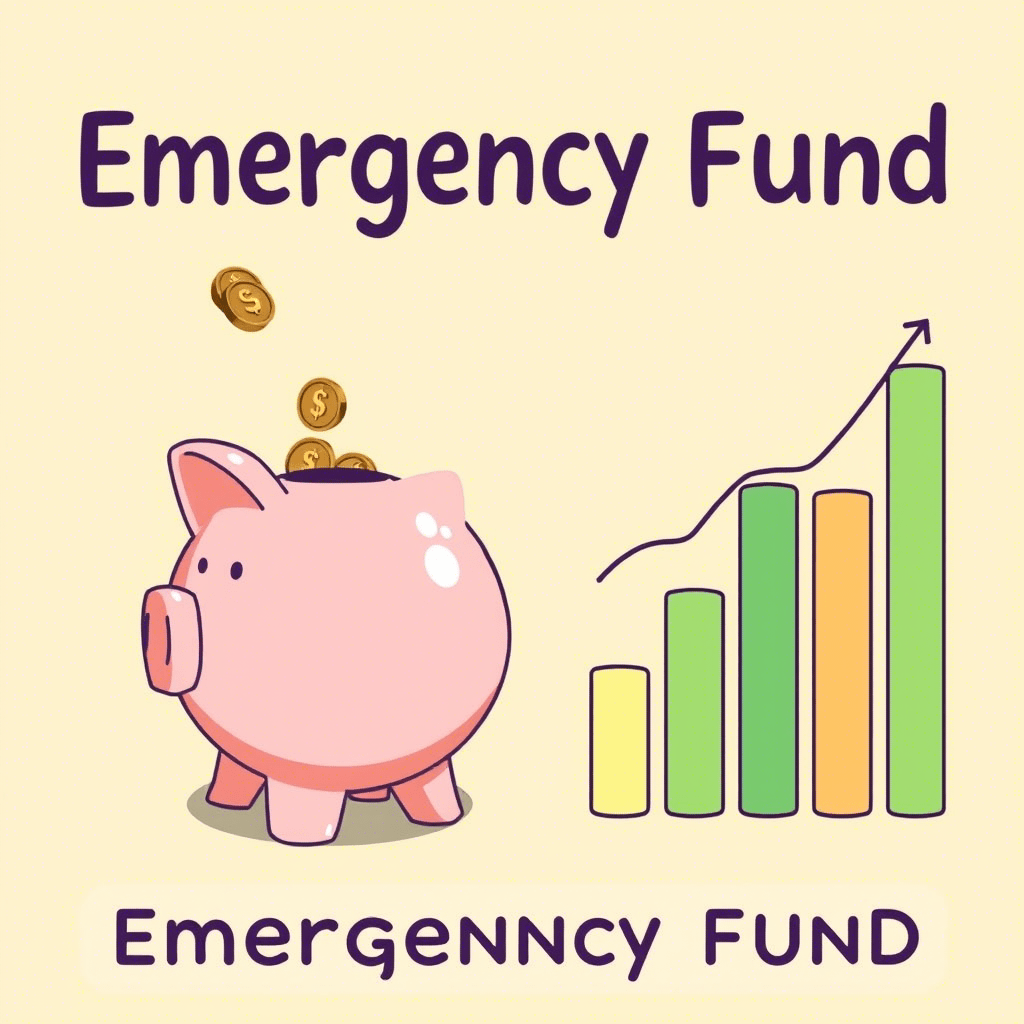
Mistake #3: Ignoring Emergency Savings
Many people underestimate the importance of having an emergency fund. Without one, unexpected expenses like medical bills or car repairs can force you into debt.
Why It’s a Problem :
- You’re vulnerable to financial shocks.
- Relying on credit cards or loans for emergencies can lead to high-interest debt.
- It creates unnecessary stress during tough times.
How to Avoid It :
- Start small: Aim to save $500–$1,000 as a starter emergency fund.
- Gradually build up to 3–6 months’ worth of essential expenses.
- Automate savings by setting up recurring transfers to a dedicated savings account.
Mistake #4: Not Paying Off Credit Card Debt
Carrying a credit card balance from month to month is one of the costliest financial mistakes. High interest rates can turn small purchases into major debts over time.
Why It’s a Problem :
- Interest charges add up quickly, making it harder to pay off the principal.
- It lowers your credit score, which can affect loan approvals and interest rates.
- It creates a cycle of debt that’s difficult to break.
How to Avoid It :
- Pay your credit card bill in full each month to avoid interest charges.
- Use the avalanche method to pay off existing debt: Focus on paying the highest-interest balances first while making minimum payments on others.
- Consider a balance transfer card with a 0% introductory APR to reduce interest costs temporarily.

Mistake #5: Failing to Plan for Retirement
Many people delay saving for retirement, thinking they have plenty of time. However, the earlier you start, the more you benefit from compound interest.
Why It’s a Problem :
- Delaying retirement savings means missing out on years of growth.
- You may struggle to catch up later in life.
- Social Security alone may not be enough to cover your expenses.
How to Avoid It :
- Start contributing to a retirement account like a 401(k) or IRA as soon as possible.
- Take advantage of employer matching contributions if available—it’s free money!
- Automate contributions to ensure consistent savings.

Take Control of Your Finances Today
Avoiding these common money mistakes can set you on the path to financial success. Remember, small, consistent actions can lead to big results over time.
Ready to improve your financial habits? Download our free Money Management Checklist to track your progress and stay on track.


 Dollar Wise Living
Leave a reply to How to Create a Budget That Works: Your Step-by-Step Guide for 2025 – Dollar Wise Living Cancel reply