

Creating a budget is one of the most powerful steps you can take toward financial stability. However, many people struggle to stick to their budgets because they don’t know how to make them realistic or actionable.
In this guide, we’ll walk you through how to create a budget that works in 2025 , step by step, so you can take control of your money, reduce stress, and achieve your financial goals. For example, building an emergency fund is a key part of financial stability—learn more about Why Building an Emergency Fund Is Essential .

Why Creating a Budget Is Essential
A budget isn’t just about tracking expenses—it’s about aligning your spending with your priorities and goals. Here’s why creating a budget is crucial:
- Takes Control of Your Finances : A budget helps you understand where your money is going and ensures it’s being used wisely.
- Prevents Overspending : By setting limits, you avoid spending more than you earn.
- Helps You Reach Goals : Whether it’s paying off debt, saving for a vacation, or investing, a budget keeps you on track.
- Reduces Financial Stress : Knowing you have a plan reduces anxiety about money.
Step 1: Track Your Income and Expenses
The first step in creating a budget is understanding your financial situation.
How to Do It :
- Track Your Income : List all sources of income (salary, freelance work, side hustles, etc.).
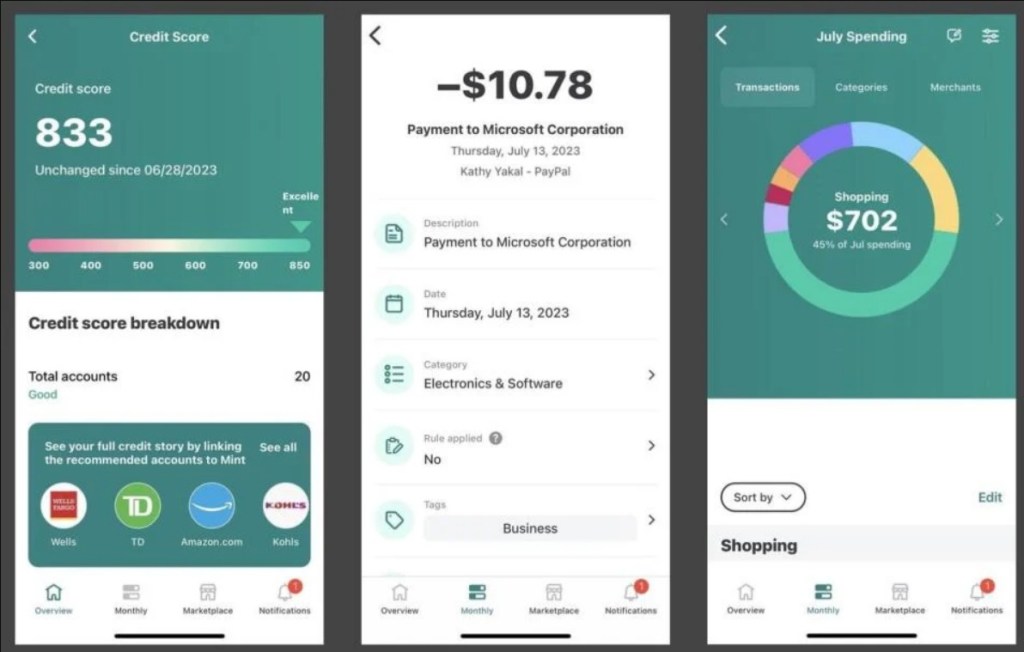
- Track Your Expenses : Use apps like Mint or YNAB to monitor your spending for at least one month.
- Categorize Spending : Divide expenses into categories like housing, groceries, entertainment, and savings.
Step 2: Set Clear Financial Goals
A budget is most effective when it’s tied to specific goals. Ask yourself:
- Short-Term Goals : What do you want to achieve in the next 6–12 months? (e.g., building an emergency fund, paying off credit card debt).
- Long-Term Goals : What are your big-picture aspirations? (e.g., buying a home, retiring early).
For example, achieving financial independence allows you to live life on your own terms—discover more about The Benefits of Financial Independence .

Step 3: Choose a Budgeting Method
There are several budgeting methods to choose from, depending on your preferences and lifestyle. Here are the most popular ones:
50/30/20 Rule
Allocate 50% of your income to needs, 30% to wants, and 20% to savings or debt repayment.
Zero-Based Budgeting
- Assign every dollar a purpose, ensuring your income minus expenses equals zero at the end of the month.
If you’re struggling with debt, consider learning more about How to Pay Off Debt Faster to align your budget with debt repayment goals.
Envelope System
Use cash for different spending categories, placing each category’s budgeted amount in separate envelopes.

Step 4: Automate Savings and Bill Payments
Automation ensures consistency and reduces the risk of missing payments or forgetting to save.
How to Do It :
- Set up automatic transfers to your savings account each payday.
- Use autopay for recurring bills (rent, utilities, subscriptions).
For high-yield savings options, check out Best High-Yield Savings Accounts to maximize your savings growth.
Pro Tip :
Start small—even $50/month adds up over time.

Step 5: Review and Adjust Regularly
Your budget isn’t set in stone—it should evolve as your income, expenses, and goals change.
How to Do It :
- Review your budget monthly to ensure it’s working for you.
- Adjust categories if necessary (e.g., reduce dining out to increase savings).
Building multiple income streams can also help you stay flexible—learn more about How to Build Multiple Income Streams .
Pro Tip :
Celebrate small wins, like sticking to your budget for a full month, to stay motivated.

Step 6: Avoid Common Budgeting Mistakes
Even the best-laid budgets can fail if you fall into common traps. Here’s what to avoid:
- Not Accounting for Irregular Expenses : Include annual or semi-annual costs like car insurance or holiday gifts.
- Being Too Restrictive : Allow room for fun to avoid burnout.
- Ignoring Changes in Income or Expenses : Update your budget as your financial situation evolves.
To avoid other common pitfalls, read our article on Top 5 Money Mistakes Everyone Makes .

Take Control of Your Finances Today
Creating a budget that works is the foundation of financial success. By following these steps, you’ll gain clarity, confidence, and control over your money.
For additional resources, explore Free Budgeting Tools and Templates .

 Dollar Wise Living
Leave a comment