

Why an Emergency Fund Is Your Financial Safety Net
Life is unpredictable. Whether it’s a sudden job loss, an unexpected medical bill, or a car repair, unforeseen expenses can throw your finances into chaos. That’s where an emergency fund comes in—a financial safety net designed to protect you when life takes an unexpected turn.
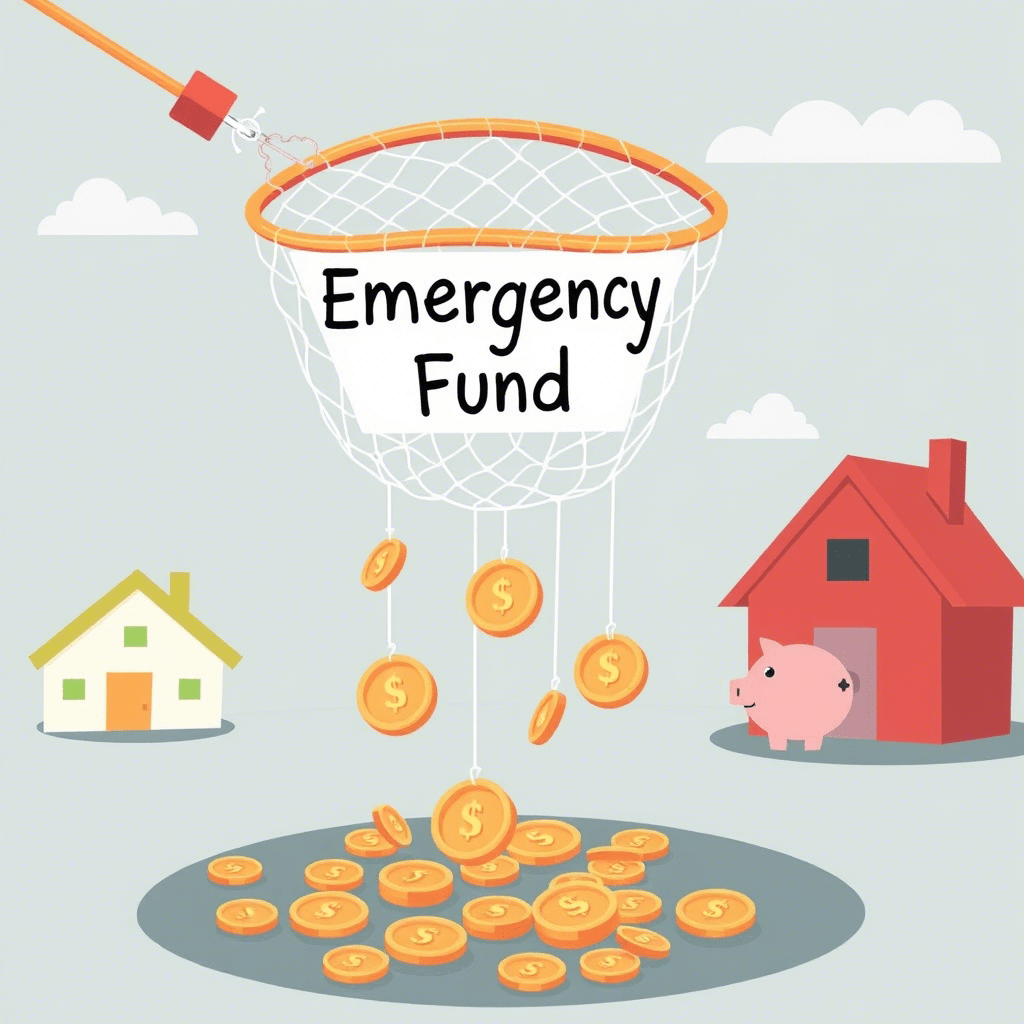
According to a recent survey, 60% of Americans don’t have enough savings to cover a $1,000 emergency . Without a cushion, these unexpected costs often lead to debt, stress, and financial instability.
The Importance of Having an Emergency Fund
An emergency fund isn’t just a nice-to-have—it’s a must-have for financial security. Here’s why:
- Protects Against Unforeseen Expenses : From medical emergencies to home repairs, having cash on hand ensures you’re prepared.
- Reduces Financial Stress : Knowing you have a backup plan gives you peace of mind.
- Prevents Debt Accumulation : Without an emergency fund, you might rely on credit cards or loans, which can lead to long-term debt.

For example, imagine losing your job unexpectedly. If you don’t have savings, how would you cover your rent, groceries, or utility bills? An emergency fund acts as a buffer, giving you time to recover without derailing your financial goals.
How Much Should You Save in Your Emergency Fund?
The general rule of thumb is to save 3 to 6 months’ worth of essential expenses . However, the exact amount depends on your personal situation:
- Single-income households : Aim for the higher end (6 months).
- Dual-income households : 3-4 months may suffice.
- Freelancers or gig workers : Consider saving closer to 6-9 months due to income variability.
To calculate your target, list your monthly essentials like rent/mortgage, utilities, groceries, insurance, and transportation. Multiply that total by the number of months you want to cover. For instance, if your monthly expenses are $2,000, a 3-month fund would require $6,000.

Actionable Steps to Build Your Emergency Fund
Building an emergency fund doesn’t have to be overwhelming. Follow these practical steps to get started:
Set a Clear Goal
Decide how much you need based on your monthly expenses. Break it into smaller milestones (e.g., $1,000, $3,000).
Automate Your Savings
Set up automatic transfers to a dedicated savings account each payday. Even small amounts add up over time.
Cut Unnecessary Expenses
Review your budget and identify areas to trim, like dining out or subscription services. Redirect those funds to your emergency fund.
Use Windfalls Wisely
Allocate bonuses, tax refunds, or gifts toward your fund instead of spending them impulsively.
Remember, progress is key. Even saving $50 a month is better than nothing.

Where to Keep Your Emergency Fund for Maximum Security
Your emergency fund should be easily accessible but safe from temptation. Here are some of the best places to store it:
High-Yield Savings Account
Offers better interest rates than traditional savings accounts while keeping your mone
Money Market Accounts
Combine higher interest rates with check-writing capabilities.
Certificates of Deposit (CDs)
Lock in higher rates, but be aware of penalties for early withdrawal.
Avoid risky investments like stocks or cryptocurrencies for your emergency fund. These options are too volatile and may not be available when you need them most.
Start Building Your Emergency Fund Today
An emergency fund is one of the cornerstones of financial stability. By taking small, consistent steps, you can build a safety net that protects you from life’s uncertainties.
Ready to get started? Download our free Emergency Fund Planner Template to help you set goals, track progress, and stay motivated.

 Dollar Wise Living
Leave a comment