

Creating a budget is one of the most important steps you can take toward financial stability. Whether you earn $30,000 or $300,000 a year, a well-planned budget helps you manage your money wisely, avoid debt, and achieve your financial goals.
In this guide, we’ll walk you through actionable steps to create a budget that works for any income level—no matter where you’re starting from.
Why Budgeting Is Essential for Financial Success
Before diving into the “how,” let’s talk about the “why.” Budgeting isn’t just about restricting your spending—it’s about taking control of your money so it works for you. Here’s why budgeting is crucial:
- Track Your Spending : A budget helps you see exactly where your money is going each month.
- Prevent Overspending : By setting limits, you avoid spending more than you earn.
- Achieve Financial Goals : Whether it’s paying off debt, saving for a vacation, or building an emergency fund, a budget keeps you on track.
- Reduce Financial Stress : Knowing you have a plan in place brings peace of mind.
Step 1: Calculate Your Monthly Income
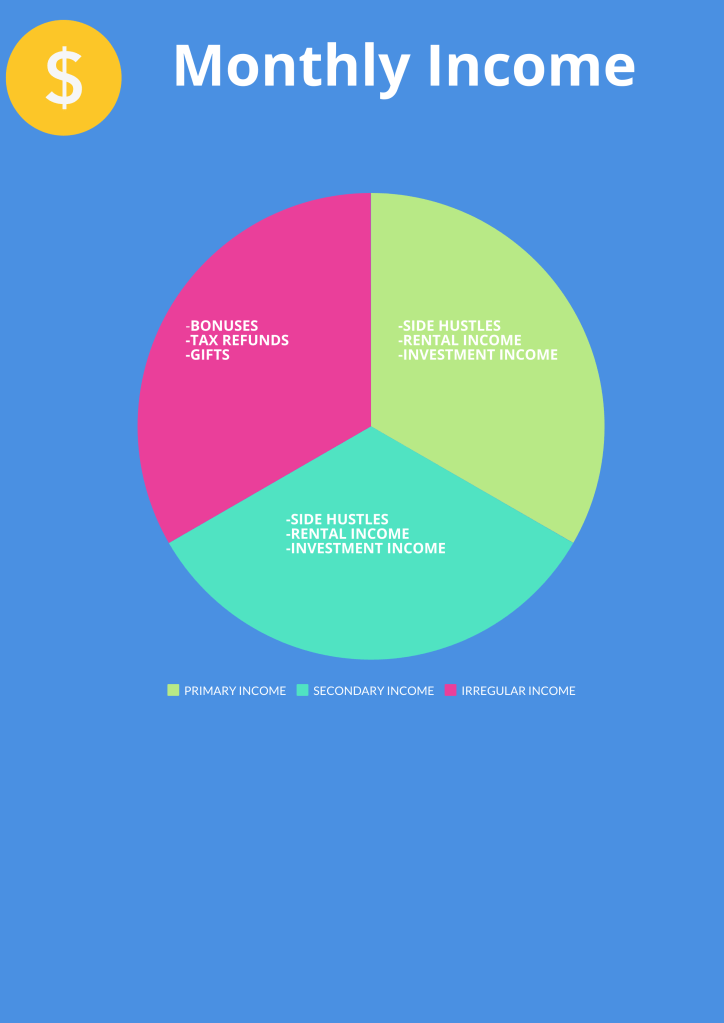
The first step in creating a budget is knowing how much money you have to work with. This includes all sources of income:
- Primary Income : Your salary, wages, or freelance earnings.
- Secondary Income : Side hustles, rental income, or investment returns.
- Irregular Income : Bonuses, tax refunds, or gifts.
For irregular income, calculate an average based on the past 6-12 months.
Step 2: Track Your Expenses
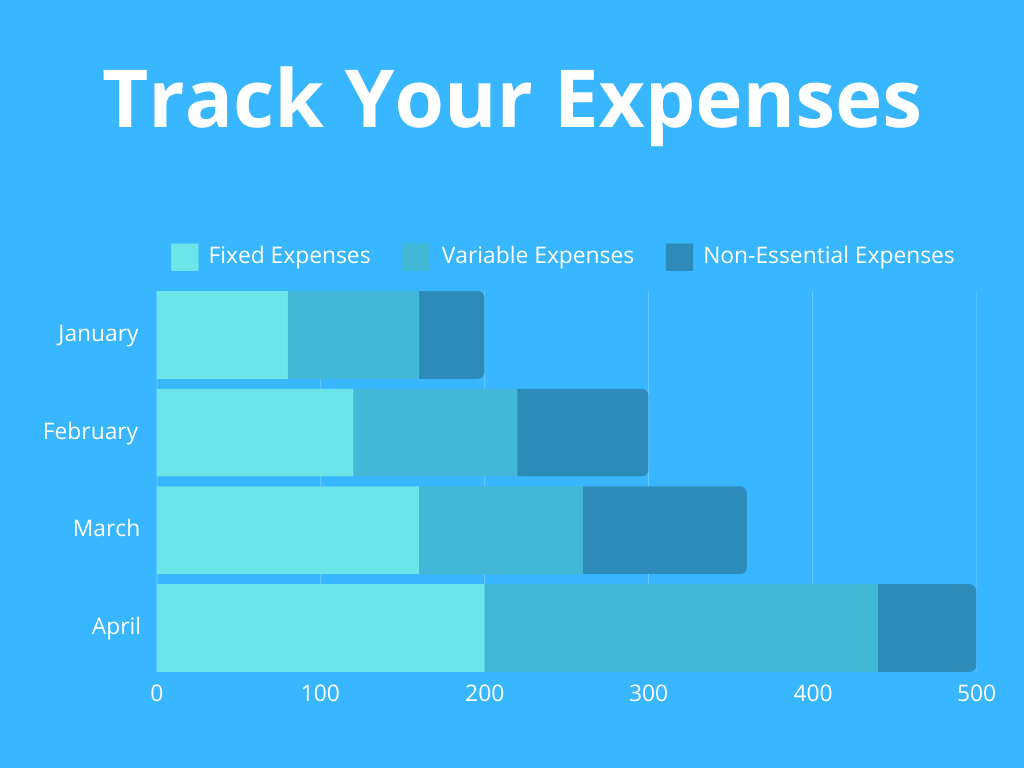
Once you know your income, it’s time to understand your spending habits. Divide your expenses into three categories:
Fixed Expenses
These are consistent, predictable costs like rent/mortgage, utilities, insurance, and loan payments.
Variable Expenses
These fluctuate each month, such as groceries, dining out, entertainment, and transportation.
Non-Essential Expenses
These are discretionary purchases like subscriptions, hobbies, or impulse buys.
To track your expenses, use tools like spreadsheets, budgeting apps (e.g., Mint or YNAB), or even pen and paper. Review your bank statements to identify patterns.
Step 3: Choose a Budgeting Method
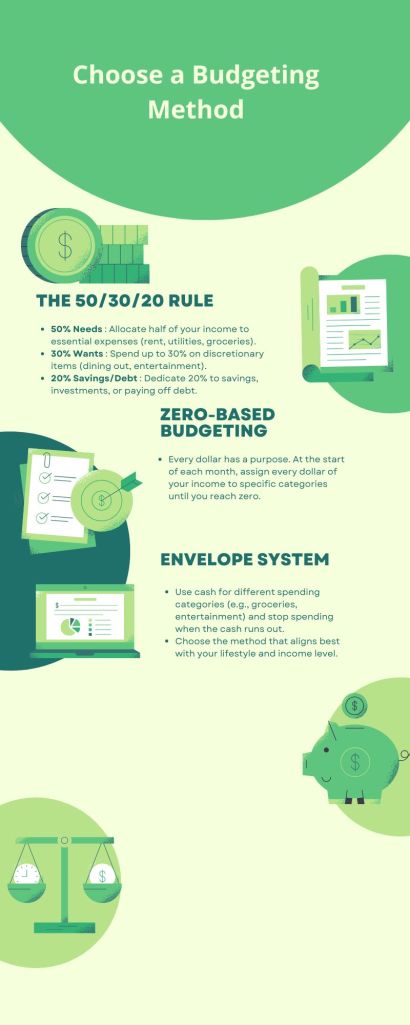
There’s no one-size-fits-all approach to budgeting. Here are three popular methods to consider:
The 50/30/20 Rule
- 50% Needs : Allocate half of your income to essential expenses (rent, utilities, groceries).
- 30% Wants : Spend up to 30% on discretionary items (dining out, entertainment).
- 20% Savings/Debt : Dedicate 20% to savings, investments, or paying off debt.
Zero-Based Budgeting
Every dollar has a purpose. At the start of each month, assign every dollar of your income to specific categories until you reach zero.
Envelope System
Use cash for different spending categories (e.g., groceries, entertainment) and stop spending when the cash runs out.
Choose the method that aligns best with your lifestyle and income level.
Step 4: Set Realistic Goals
A budget is only effective if it supports your financial goals. Start by identifying short-term and long-term objectives:
- Short-Term Goals : Build an emergency fund, pay off credit card debt, or save for a vacation.
- Long-Term Goals : Save for retirement, buy a home, or invest in your future.
Break larger goals into smaller, manageable milestones to stay motivated.

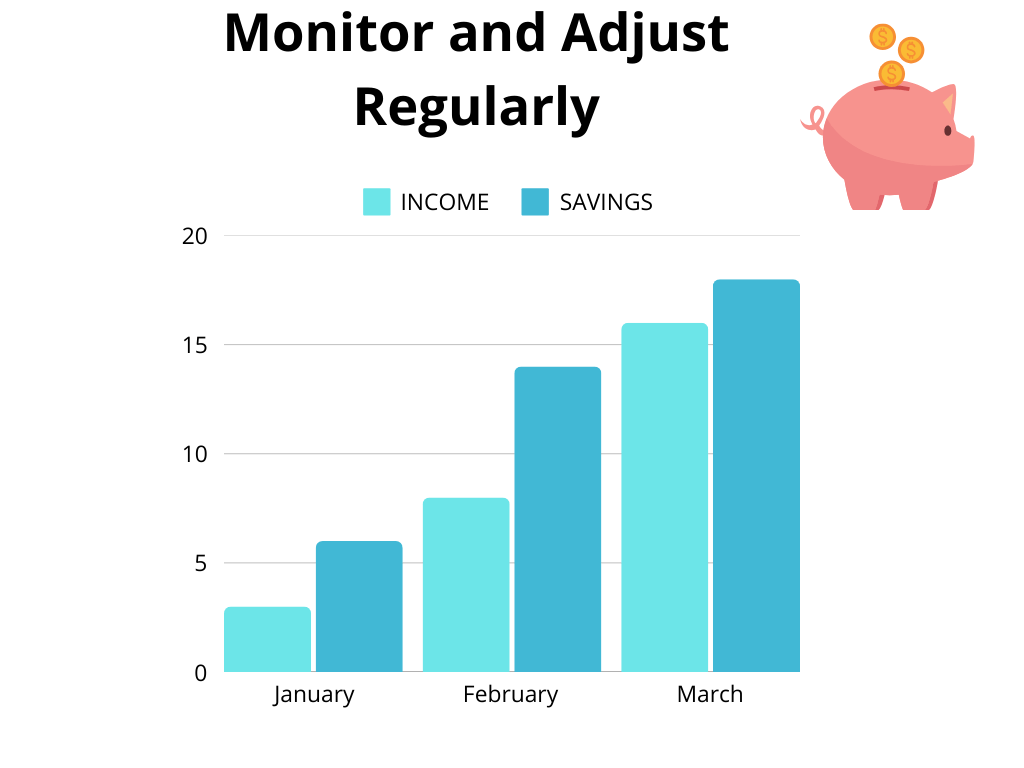
Step 5: Monitor and Adjust Regularly
Your budget isn’t set in stone. Life changes, and so should your budget. Here’s how to keep it on track:
- Review Monthly : At the end of each month, analyze your spending and adjust categories as needed.
- Automate Savings : Set up automatic transfers to savings accounts to prioritize your goals.
- Stay Flexible : If unexpected expenses arise, reallocate funds without guilt.
Consistency is key. Even small adjustments can lead to big improvements over time.
Start Creating Your Budget Today
Creating a budget doesn’t have to be complicated. With the right tools and mindset, you can take control of your finances and build a brighter financial future.
Ready to get started? Download our free Budget Planner Template to organize your income, expenses, and goals in one place.


 Dollar Wise Living
Leave a reply to How to Automate Your Finances in 2025: A Step-by-Step Guide – Dollar Wise Living Cancel reply