

Inflation is more than just a buzzword—it’s a real force that affects everyone’s daily life. Whether it’s higher grocery bills, rising gas prices, or increased housing costs, inflation erodes your purchasing power over time.
In this guide, we’ll explore what inflation is , how it impacts your wallet, and actionable steps you can take to protect your finances in 2025 and beyond.
What Is Inflation?
nflation refers to the rate at which the general level of prices for goods and services rises, reducing the purchasing power of your money. For example, if inflation is 5%, something that cost $100 last year will cost $105 this year.
While moderate inflation is normal in a growing economy, high inflation can strain household budgets and make it harder to save or invest effectively.
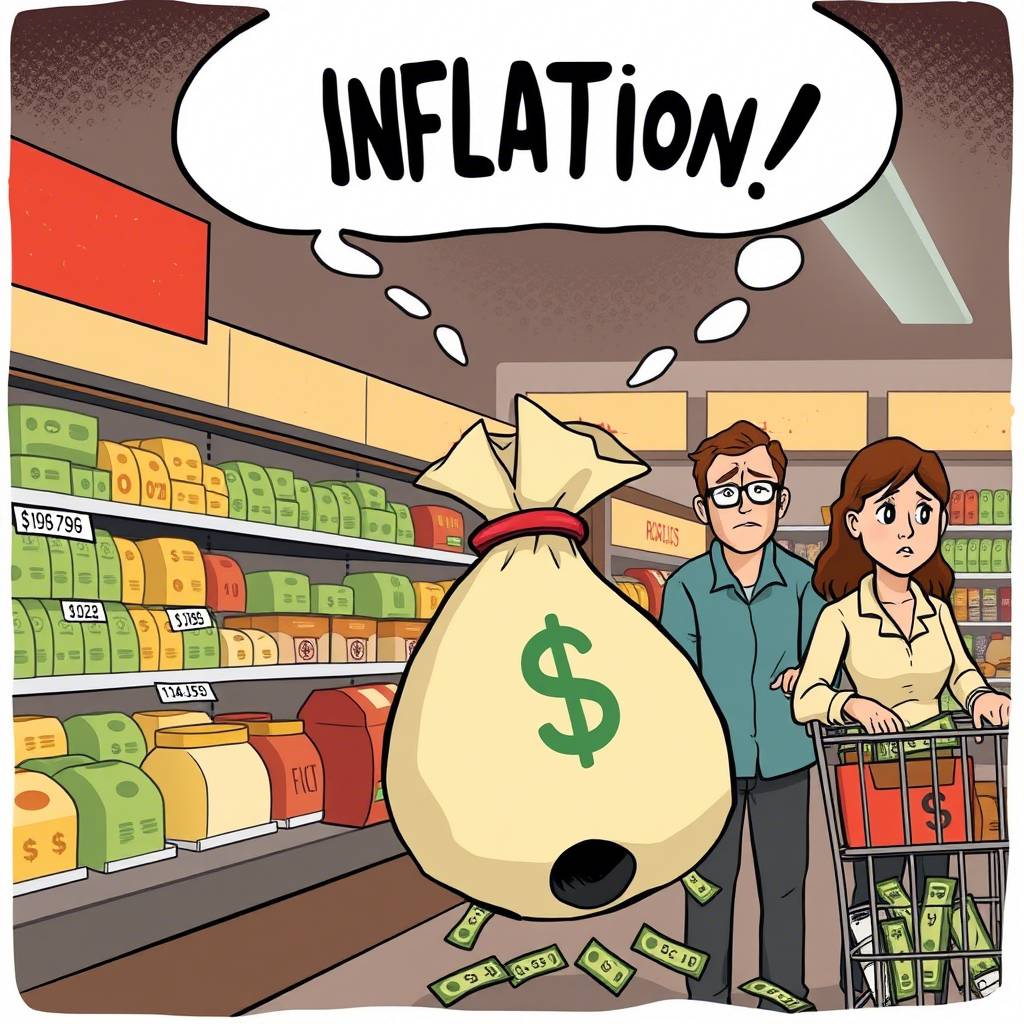
How Does Inflation Impact Your Wallet?
Inflation doesn’t just affect the economy—it hits your personal finances in several ways:
Higher Cost of Living
- Everyday expenses like groceries, utilities, and transportation become more expensive.
- Example: A $5 loaf of bread might cost $6 next year due to inflation.
Reduced Savings Value
- If your savings account earns less interest than the inflation rate, your money loses value over time.
- Example: If inflation is 7% but your savings earn 2%, your purchasing power shrinks by 5%.
Increased Debt Costs
Rising inflation often leads to higher interest rates, making loans and credit card debt more expensive.
Uncertainty in Investments
Stock markets may become volatile during periods of high inflation, affecting investment portfolios.

Why Should You Care About Inflation?
Understanding inflation is crucial because it directly affects your financial well-being. Here’s why you should pay attention:
- Erodes Purchasing Power : Your money buys less over time, making it harder to afford essentials.
- Impacts Long-Term Goals : Inflation can delay milestones like buying a home or retiring comfortably.
- Requires Proactive Planning : Ignoring inflation can leave you financially vulnerable in the long run.

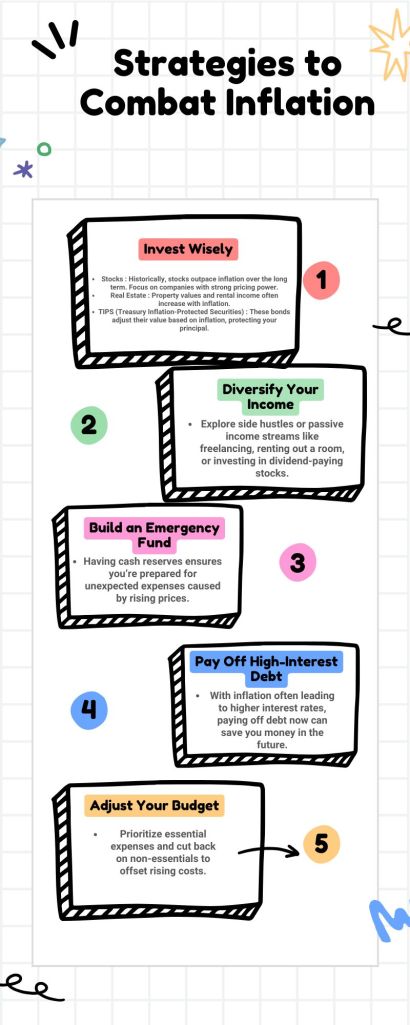
Strategies to Combat Inflation
While you can’t control inflation, you can take steps to minimize its impact on your finances. Here are some strategies to consider:
Invest Wisely
- Stocks : Historically, stocks outpace inflation over the long term. Focus on companies with strong pricing power.
- Real Estate : Property values and rental income often increase with inflation.
- TIPS (Treasury Inflation-Protected Securities) : These bonds adjust their value based on inflation, protecting your principal.
Diversify Your Income
Explore side hustles or passive income streams like freelancing, renting out a room, or investing in dividend-paying stocks.
Build an Emergency Fund
Having cash reserves ensures you’re prepared for unexpected expenses caused by rising prices.
Pay Off High-Interest Debt
With inflation often leading to higher interest rates, paying off debt now can save you money in the future.
Adjust Your Budget
Prioritize essential expenses and cut back on non-essentials to offset rising costs.
Real-Life Examples of Inflation’s Impact
To better understand inflation, let’s look at some real-life examples:
- Groceries : A cart of groceries that cost $100 in 2020 might cost $120 in 2025 due to inflation.
- Gas Prices : Rising fuel costs can increase commuting expenses and delivery fees.
- Rent and Housing : Rent prices often rise faster than inflation, making homeownership more appealing.
These examples highlight why it’s important to plan ahead and take action to protect your finances.

Protect Your Finances from Inflation Today
Inflation is inevitable, but with the right strategies, you can minimize its impact on your wallet. By investing wisely, diversifying your income, and adjusting your budget, you can maintain your purchasing power and achieve your financial goals.

 Dollar Wise Living
Leave a comment