

Life is full of surprises—some good, some not so much. Whether it’s a medical emergency, car repair, or job loss, unexpected expenses can derail your finances if you’re not prepared. That’s where an emergency fund comes in.
In this guide, we’ll walk you through how to build an emergency fund in 2025 , step by step, so you can face life’s uncertainties with confidence and peace of mind.
Why You Need an Emergency Fund
An emergency fund is more than just savings—it’s your financial safety net. Here’s why it’s essential:
- Protects Against Unexpected Expenses : From medical bills to home repairs, emergencies can be costly.
- Prevents Debt : Without a safety net, you might rely on credit cards or loans, which can lead to high-interest debt.
- Provides Peace of Mind : Knowing you have a cushion reduces stress and anxiety during tough times.
- Supports Long-Term Goals : An emergency fund ensures that unexpected expenses don’t derail your savings or investment plans.

Step 1: Determine How Much You Need
The first step in building an emergency fund is figuring out how much you need. While the exact amount varies depending on your lifestyle, here are some general guidelines:
- 3–6 Months of Expenses : Aim to save enough to cover 3–6 months’ worth of essential expenses (rent/mortgage, utilities, groceries, insurance, etc.).
- Single Income Households : If you’re the sole earner, aim for the higher end of the range (6 months).
- Variable Income : Freelancers or gig workers should aim for at least 6 months of expenses due to income fluctuations.
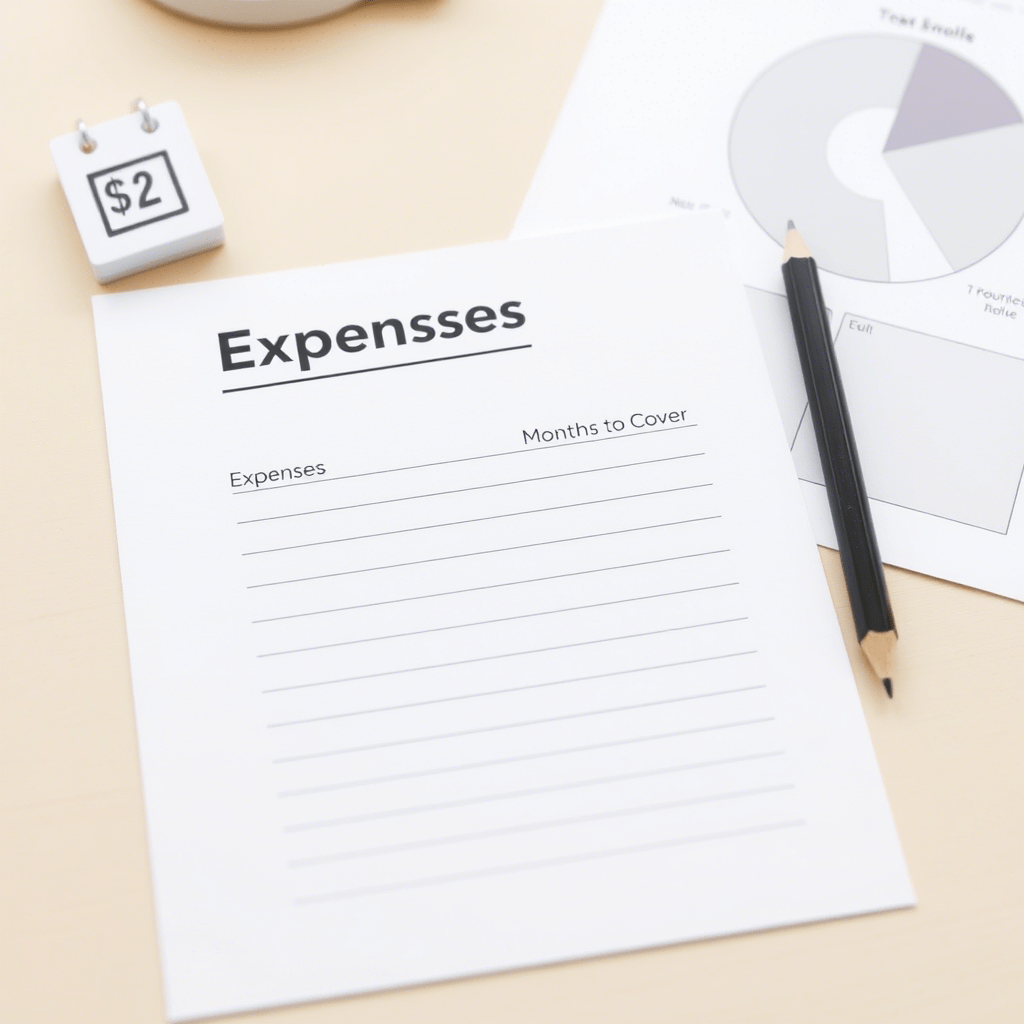
How to Calculate Your Target :
- List your monthly essential expenses.
- Multiply that number by 3, 4, or 6, depending on your comfort level.
Step 2: Start Small and Build Gradually
Building an emergency fund doesn’t happen overnight. Start small and focus on consistency:
Set a Mini-Goal
Begin with a smaller, achievable goal like $500 or $1,000. This provides a quick win and motivates you to keep going.
Automate Savings
Set up automatic transfers to a dedicated savings account each payday. Even $20–$50 per paycheck adds up over time.
Use Windfalls Wisely
Allocate part of tax refunds, bonuses, or gifts toward your emergency fund.

Step 3: Choose the Right Savings Account
Where you store your emergency fund matters. Here’s what to look for:
High-Yield Savings Account
Offers better interest rates than traditional savings accounts, helping your money grow faster.
Liquidity
Ensure the account allows easy access to your funds without penalties in case of emergencies.
Separate from Everyday Accounts
Keep your emergency fund in a separate account to avoid the temptation of dipping into it for non-emergencies.

Step 4: Prioritize Your Emergency Fund
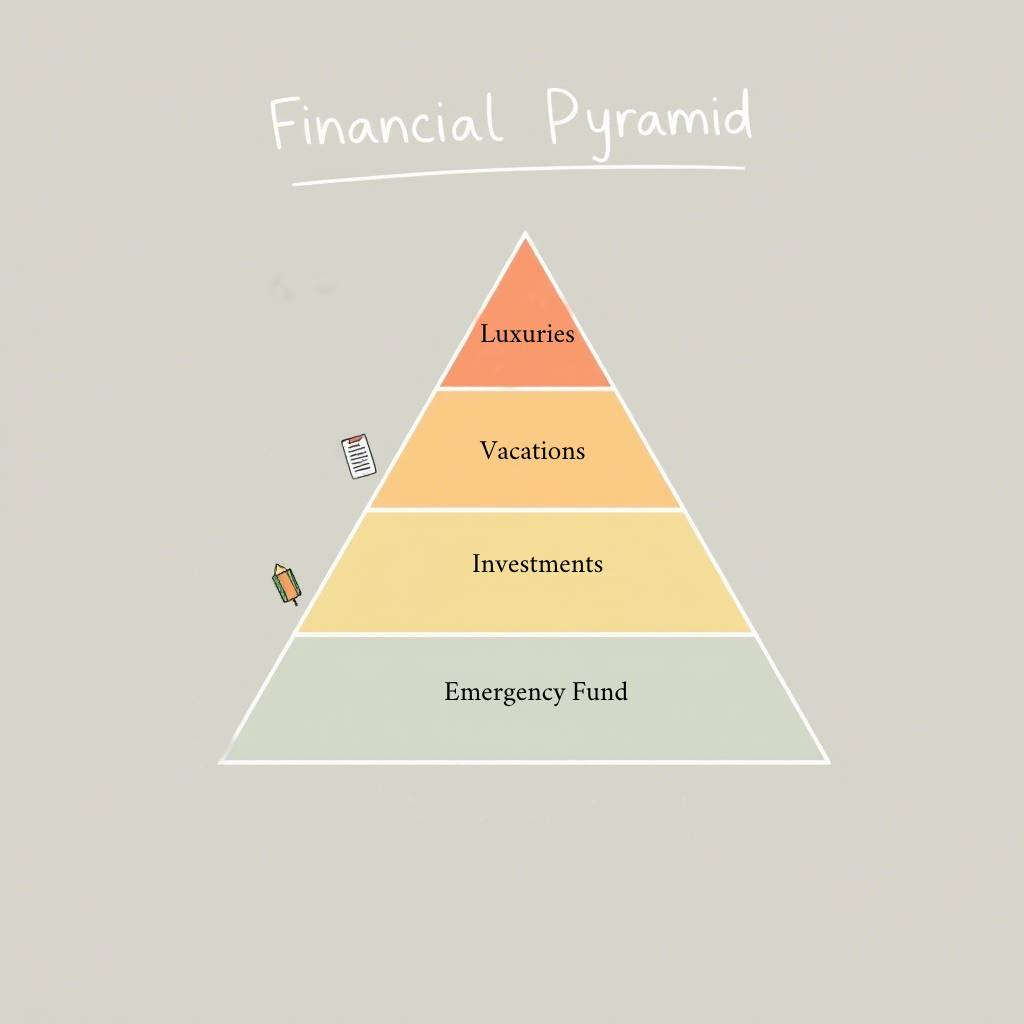
While saving for other goals (like vacations or a down payment) is important, your emergency fund should take priority. Here’s why:
- Foundation for Financial Stability : Without a safety net, other financial goals are at risk.
- Avoids Debt : Prioritizing your emergency fund prevents you from relying on credit cards or loans during emergencies.
Pro Tip :
- Temporarily pause contributions to other goals until you’ve reached your emergency fund target.
Step 5: Replenish After Use
If you ever need to dip into your emergency fund, replenish it as soon as possible. Here’s how:
- Pause Non-Essential Spending : Temporarily cut back on discretionary expenses to rebuild your fund quickly.
- Increase Contributions : Boost your savings rate until you’ve restored the full amount.

Step 6: Protect Your Emergency Fund
Once you’ve built your emergency fund, it’s important to protect it:
- Avoid Temptation : Don’t use it for non-emergencies like vacations or impulse purchases.
- Review Regularly : Adjust your target as your expenses or income change.
- Keep It Accessible but Separate : Ensure it’s in an account that’s easy to access but not linked to everyday spending.
Secure Your Financial Future Today
Building an emergency fund is one of the smartest financial moves you can make. By following these steps, you’ll create a safety net that protects you from life’s unexpected challenges and gives you peace of mind.


 Dollar Wise Living
Leave a reply to How to Automate Your Finances in 2025: A Step-by-Step Guide – Dollar Wise Living Cancel reply