

Living on a tight budget doesn’t mean you have to sacrifice your financial goals. With some creativity and discipline, you can find ways to save money, reduce expenses, and even build an emergency fund—even when money is tight.
In this article, we’ll share 10 smart strategies to save money on a tight budget in 2025 , along with actionable tips to help you take control of your finances.
Why Saving Money Matters, Even on a Tight Budget
Saving money isn’t just for people with high incomes—it’s essential for everyone. Here’s why saving is important, no matter your financial situation:
- Emergency Preparedness : Unexpected expenses (like car repairs or medical bills) can arise at any time.
- Financial Freedom : Saving helps you avoid debt and gives you more flexibility in the future.
- Peace of Mind : Knowing you have a financial cushion reduces stress and anxiety.
- Long-Term Goals : Even small savings can add up over time, helping you achieve milestones like buying a home or retiring comfortably.

Tip #1: Create a Realistic Budget
The first step to saving money is knowing where it’s going. A realistic budget helps you track your income and expenses so you can identify areas to cut back.
How to Do It :
- Use the 50/30/20 rule : Allocate 50% to needs, 30% to wants, and 20% to savings.
- Track every expense using apps like Mint or YNAB.
- Review your budget monthly to adjust for changes in income or expenses.

Tip #2: Cut Unnecessary Subscriptions
Unused subscriptions can drain your wallet without you realizing it. Cancel services you don’t use regularly to free up cash for savings.
How to Do It :
- List all your subscriptions (streaming services, gym memberships, etc.).
- Cancel anything you haven’t used in the past month.
- Opt for free alternatives, like library apps for books or YouTube for entertainment.

Tip #3: Cook at Home Instead of Dining Out
Eating out can quickly add up, especially on a tight budget. Cooking at home is not only healthier but also much cheaper.
How to Do It :
- Plan meals for the week and create a grocery list to avoid impulse buys.
- Buy in bulk for staples like rice, beans, and pasta.
- Use leftovers for lunches to save time and money.

Tip #4: Use Cash Instead of Credit Cards
Paying with cash can help you stick to your budget and avoid overspending.
How to Do It :
- Withdraw a set amount of cash each week for discretionary spending.
- Leave your credit cards at home to resist temptation.
- Use the envelope system to allocate cash for specific categories (groceries, entertainment, etc.).

Tip #5: Shop Secondhand
Buying secondhand items can save you a significant amount of money, whether it’s clothing, furniture, or electronics.
How to Do It :
- Shop at thrift stores, consignment shops, or online marketplaces like Facebook Marketplace or Poshmark.
- Look for gently used items that are still in great condition.
- Sell your own unused items to earn extra cash.

Tip #6: Take Advantage of Discounts and Coupons
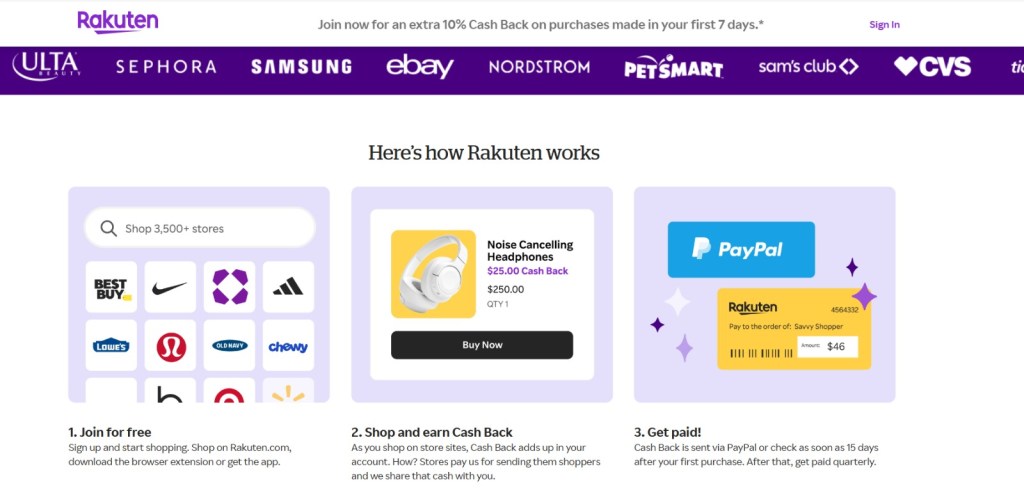
Small savings add up over time. Use discounts, coupons, and cashback apps to stretch your budget further.
How to Do It :
- Sign up for store loyalty programs to access exclusive deals.
- Use apps like Rakuten or Honey to find discounts and earn cashback.
- Always check for promo codes before making online purchases.
Tip #7: Reduce Utility Bills
Lowering your utility bills can free up extra cash for savings.
How to Do It :
- Switch to energy-efficient light bulbs and appliances.
- Unplug devices when not in use to save electricity.
- Adjust your thermostat to conserve heating and cooling costs.

Tip #8: DIY Instead of Hiring Services
Doing things yourself can save you hundreds of dollars annually.
How to Do It :
- Learn basic home repairs, like painting or fixing leaky faucets.
- Try DIY beauty treatments or haircuts instead of visiting salons.
- Watch free tutorials on YouTube for guidance.

Tip #9: Automate Your Savings
Automating your savings ensures you consistently set aside money, even on a tight budget.
How to Do It :
- Set up automatic transfers to a savings account each payday.
- Start small—$10 or $20 per paycheck adds up over time.
- Use apps like Digit or Qapital to save spare change automatically.
Tip #10: Build a Side Hustle
A side hustle can provide extra income to boost your savings.
How to Do It :
- Offer freelance services like writing, graphic design, or consulting.
- Drive for Uber/Lyft or deliver groceries through Instacart.
- Monetize hobbies like crafting, photography, or teaching.

Start Saving Today
Saving money on a tight budget is possible with the right strategies. By implementing these tips, you can take control of your finances and work toward your financial goals, no matter how small your income may be.

 Dollar Wise Living
Leave a comment